Hagoita-ichi 2026 at Senso-ji: dates, kawari-hagoita, tips
Hagoita-ichi, Senso-ji's year-end battledore market, runs Thursday December 17 to Saturday December 19, 2026, 9 a.m.–7:30 p.m. (7 p.m. on the last day). Entry is free. Dozens of stalls fill the temple grounds with decorated paddles. Our pick is the 17th. Arrive mid-afternoon and stay on for the evening light-up.
“Unlike the classic designs, the kawari-hagoita change every year, and that's the fun part. I'm looking forward to seeing what turns up this year.”
When is Hagoita-ichi 2026?
The temple holds it on December 17–19 every year. In 2026 that’s Thursday December 17, Friday December 18 and Saturday December 19.
- Hours: 9 a.m.–7:30 p.m.; the last day closes at 7 p.m.
- Where: the grounds of Senso-ji, around the main hall (Google Maps)
- Getting there: 5 min on foot from Asakusa Station (Ginza Line)
- Entry: free; you only pay for what you buy
- Stalls: “several dozen” hagoita stalls, according to the temple. Local news counted about 25 hagoita dealers in 2025.
- Crowds: Rurubu reports about 300,000 visitors the previous year. Our estimate is that the 17th will be the least crowded day (see below).
- Time needed: our estimate is 30–45 minutes for the stalls, longer if you’re buying
- Weather: everything is outdoors and the market runs into December evenings, so dress for the cold.
The hours come from Taito City’s 2026 event page (updated September 29, 2026). Some English-language sites give 8 p.m. or 9 p.m. closing times, or a fixed stall count; neither the ward nor the temple does. Check the Taito City page the week before you go.
What is Hagoita-ichi?
A hagoita is the wooden paddle used in hanetsuki, a New Year game a bit like badminton without a net. The ones sold here are mostly not for playing. They’re decorative good-luck paddles faced with raised, padded-cloth portraits, from classic kabuki characters to people and characters who made the news that year. In 2025, local news reported a giant paddle about 2 m tall on display.
The market grew out of the temple’s year-end fair. In the Edo period, stalls selling New Year goods gathered at Senso-ji for the crowds that came on December 17 and 18. The temple says its toshi-no-ichi was the biggest in Edo, with stalls stretching from Asakusabashi to Ueno. From the late Edo period, more and more of those stalls sold hagoita. Families also began giving a paddle to a household where a baby girl had been born, and the fair became Hagoita-ichi.
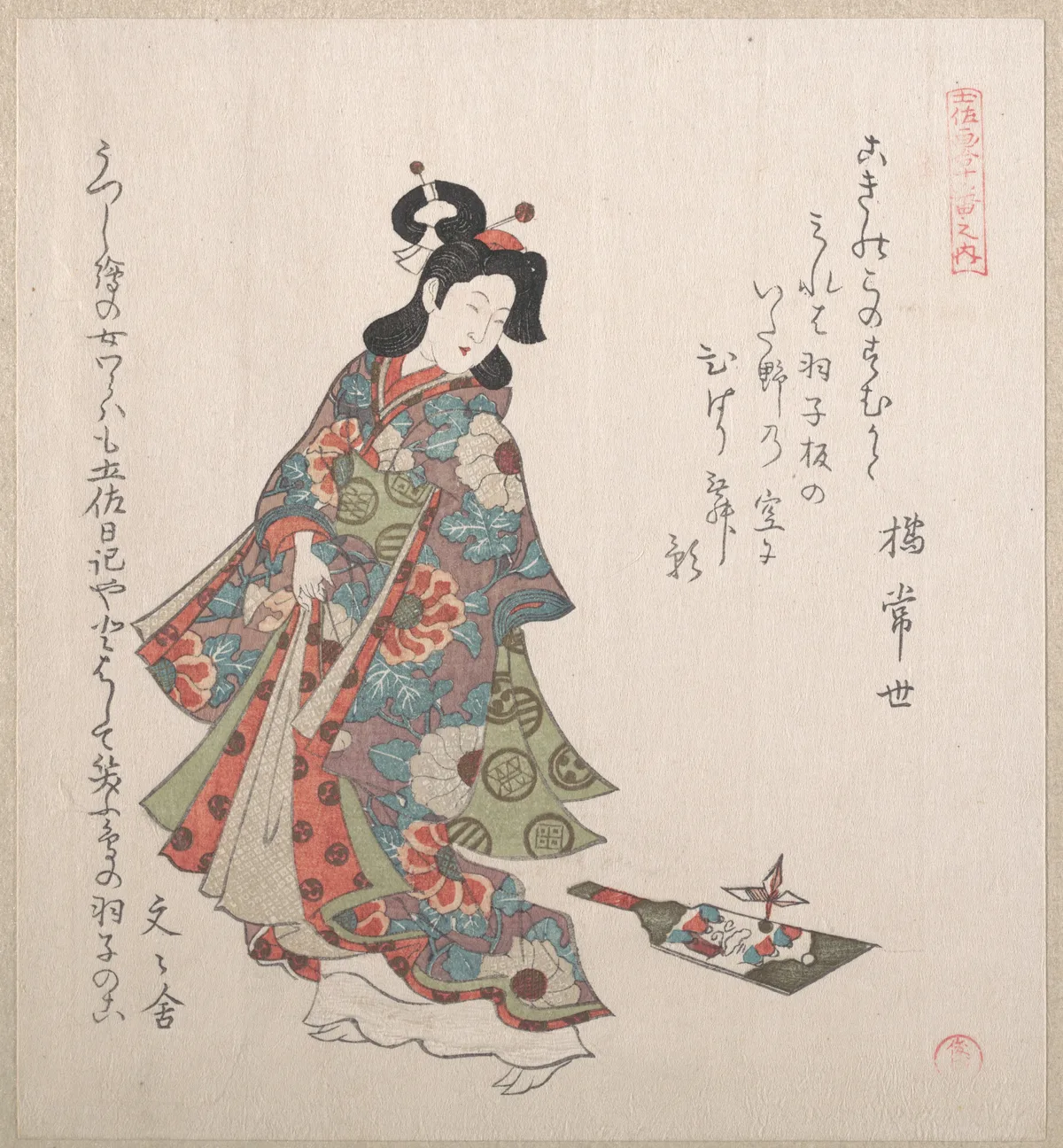 Illustration: Kubo Shunman, “Girl and a Hagoita (Japanese Battledore and Shuttlecock)”, probably 1815. The Metropolitan Museum of Art, public domain.
Why a paddle for luck? The shuttlecock is said to resemble a dragonfly, which eats insects, so a hagoita is thought to “eat” bad bugs, meaning illness. Part of the fun is the selling itself. The temple describes the stallholders’ patter and banter with customers as entertainment for everyone watching.
What are kawari-hagoita?
Kawari-hagoita means “novelty” or “topical” hagoita: paddles showing the people and characters of the year instead of a kabuki actor.
The name is also linked to the doll maker Kyugetsu, which has made its own set of kawari-hagoita every year since 1986. Each is a one-off and not for sale. The 2025 set, the 40th, was unveiled on December 3 at its head store in Asakusabashi and featured 12 people. They included Ohtani (his sixth time, a record he shares with the late Shigeo Nagashima) and Prime Minister Sanae Takaichi. The unveiling makes the news in early December, so it hints at who might appear at the stalls.
I went to the 2025 fair. The baseball paddles alone covered three players: Shohei Ohtani, his Dodgers teammate Yoshinobu Yamamoto, and Ichiro. Labubu was there too. The classic designs are the classic designs; the fun is that the topical ones change every year.
If the paddles catch your interest, I’d suggest a trip to Kyugetsu’s store in Asakusabashi. Depending on the season it has hagoita on display, along with plenty of other traditional Japanese dolls to look at and buy.
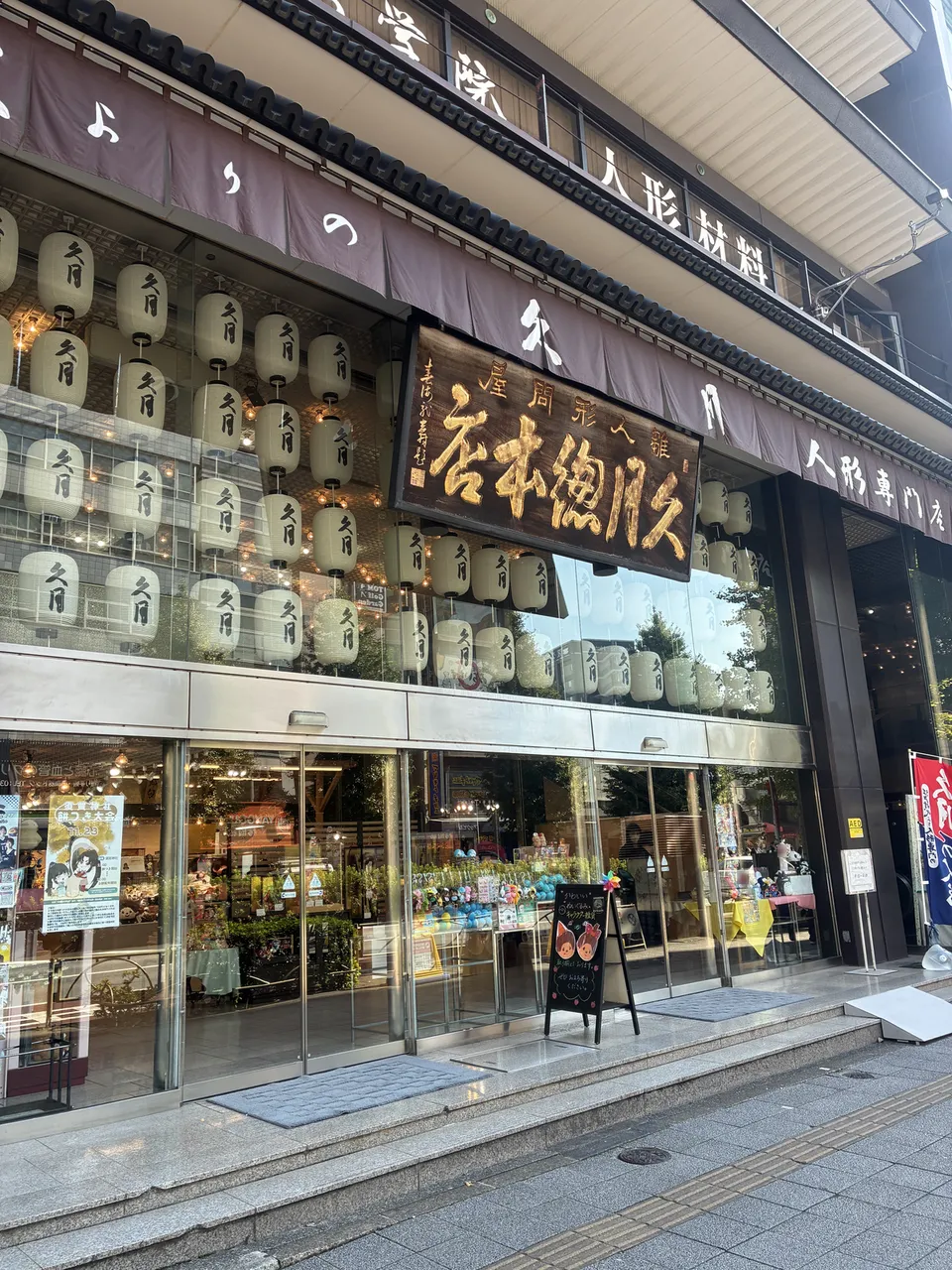 Kyugetsu head store, Asakusabashi, November 12, 2026.
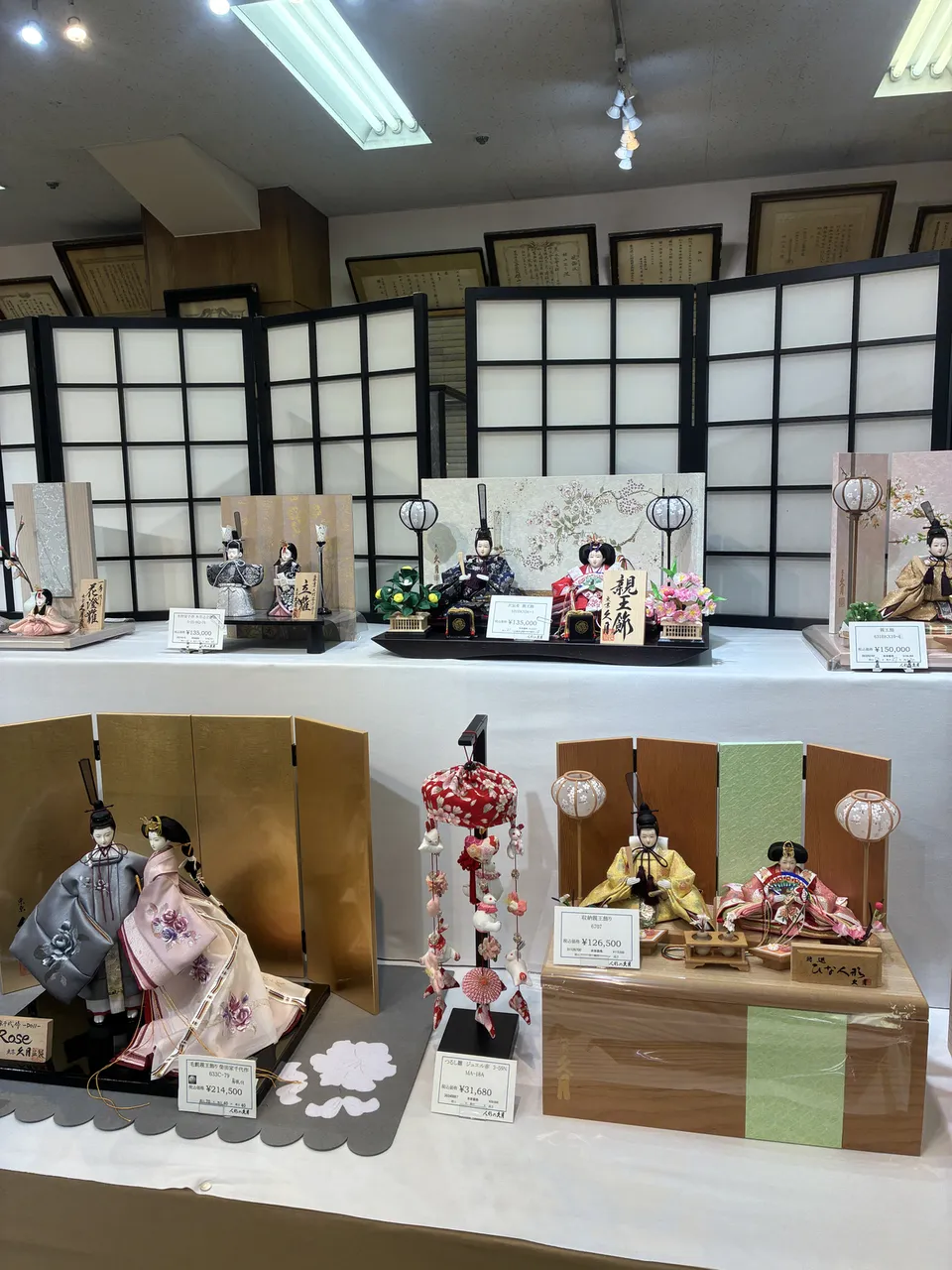 Kyugetsu head store, Asakusabashi, November 12, 2026.
Which day and time is best?
Thursday December 17, if your trip allows. That pick comes from the calendar, not a crowd count. The 18th is Osame no Kannon, the last Kannon day of the year, when the temple says worshippers come in especially large numbers, and the 19th is a Saturday. That makes the 17th, a weekday with no festival, the likeliest of the three to be calm.
Mid-afternoon is a good time to arrive. You see the paddles in daylight, and the temple’s light-up starts at sunset, so the main hall and pagoda glow behind the stalls before they close at 7:30 p.m. The main hall itself closes at 5 p.m. from October to March, so go inside first if you want to.
How do I fit it into a day in Asakusa?
The fair is in the temple grounds, so it slots into a normal Asakusa walk:
- Early afternoon: start at Kaminarimon, the big lantern gate, or follow the 2-hour Asakusa route and save the temple for later.
- About 3 p.m.: walk up Nakamise to the temple. See the main hall before it closes at 5 p.m.
- About 4 p.m.: browse the hagoita stalls around the main hall.
- After dark: stay for the light-up. The main hall and pagoda are lit every evening until about 11 p.m., long after the stalls close. Then find dinner nearby. The Asakusa travel guide covers the rest of the neighborhood.
If you’re in Tokyo in November too, Asakusa’s other big market is Tori-no-ichi, with its kumade rakes. It’s the same idea, a lucky charm for the year ahead, with a different look.
Getting there
According to Taito City’s event page:
- Asakusa Station (Tokyo Metro Ginza Line): 5 min on foot
- Asakusa Station (Tobu Skytree Line (Isesaki Line)): 5 min
- Asakusa Station (Tsukuba Express): 5 min
- Asakusa Station (Toei Asakusa Line): 7 min
Step-free: Ginza Line Exit 1 has a street elevator, and Tokyo Metro’s Japanese barrier-free page lists one step-free route from there down to Platform 1, with an elevator inside the gates. See Asakusa Station for the other lines.
Tips
- Prices vary with size and maker; we found no published price list for 2026. Small stalls may not take cards, so carrying some cash is the safe choice.
- Ask before photographing a stall up close. The paddles are the sellers’ stock.
- Carrying it home: large hagoita are wide and fragile. Ask the seller how it travels before you buy one for your suitcase.
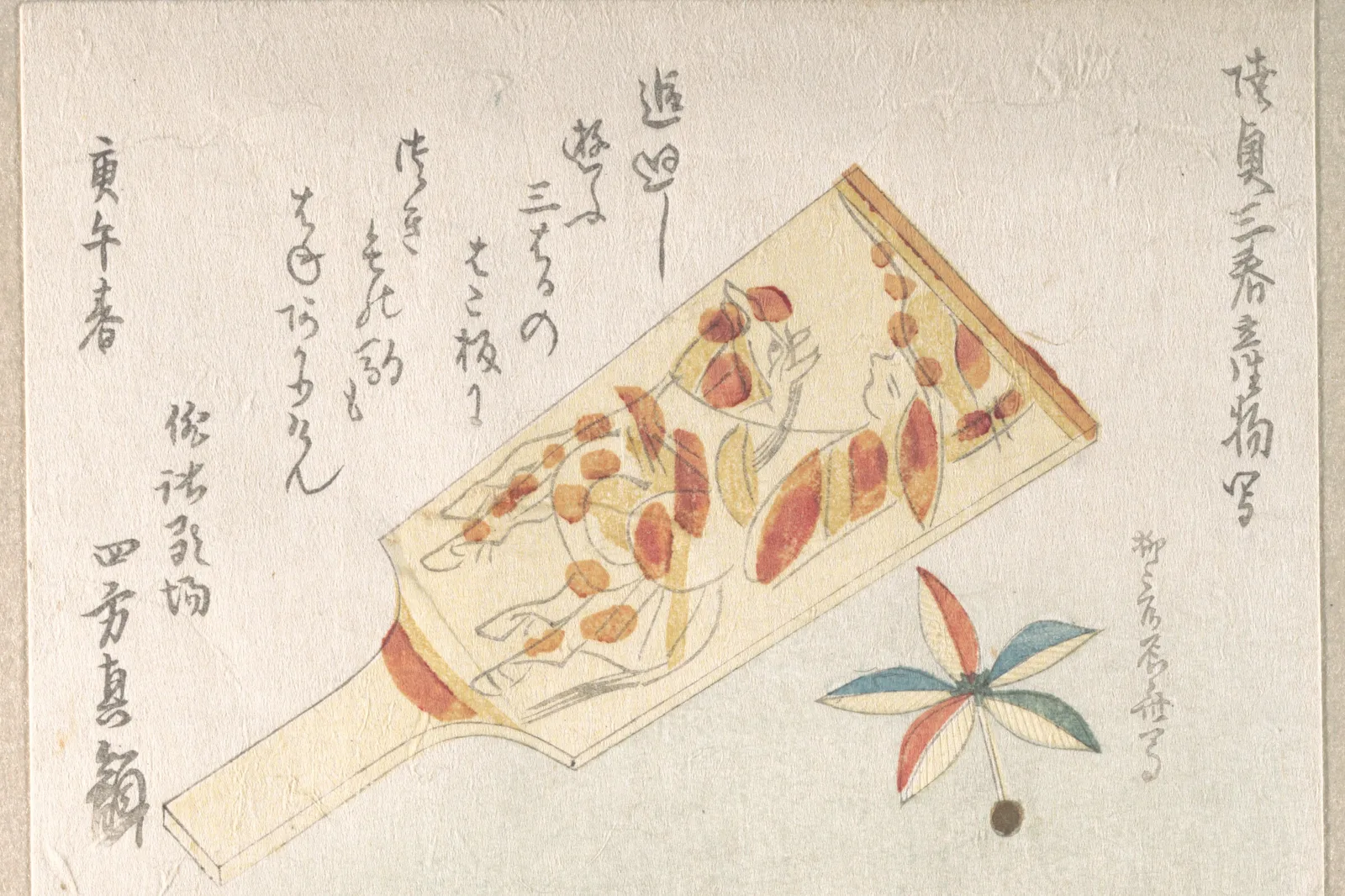
Header illustration: Ryūryūkyo Shinsai, “Battledore and Shuttlecock”, surimono, 1810 (cropped). The Metropolitan Museum of Art, public domain.